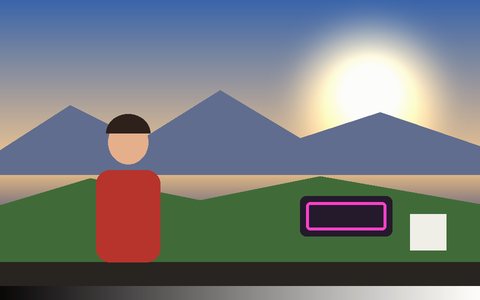
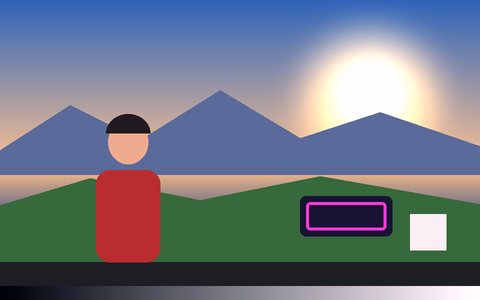
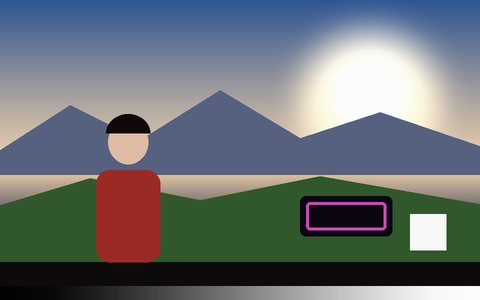
Why the Documentary Look Works Here
Match the interview to the b-roll
The hardest cut in a documentary is from a lit interview to available-light b-roll. Grading both to the same neutral base and holding one look across the timeline is what stops the film from looking like two different projects stitched together.
Keep skin honest
A documentary earns trust with faces. A grade that protects the highlights and leaves midtones natural keeps skin the right colour where a heavy teal-and-orange would sell the subject out.
Fine grain, plainly there
A little 35mm grain over an over-sharpened interview camera reads as texture rather than noise — enough to unify a phone shot, a mirrorless body and an archive photo scan under one surface.
Readable shadows
Lifting the shadows a touch rather than crushing them keeps detail in a dim room, which is where most of a documentary actually happens.
One look over many sources
Because the grade and grain are applied per clip but held consistently, a phone interview, a drone wide and an archive still can share one texture — animate the strength with keyframes where the cut needs it.
Add motion graphics without leaving
Labels, subtitles and data-viz can be drawn on top in the same tab, so the look pass and the graphics pass stay in one place.
Frequently Asked Questions
Can I get a documentary film look for free?
Yes. Load the clip, set a natural grade and a fine grain stock, and export — the grade and grain are drawn into the frame in Record (MP4/WebM) and Render Mode. Free, no signup, nothing uploaded.
How do I match an interview to b-roll?
Grade both to a neutral base first, then apply the same preset. Starting from a neutral Rec.709 picture rather than from the camera’s own contrast curve is what makes two very different lighting setups land on the same look.
Will grain make my interviews look noisy?
Not at a low amount. Keep the stock fine and the amount modest and it reads as texture; push it and it reads as noise, so check it on a face in a dim room before exporting.
Can I add subtitles as well?
Yes — there is a subtitle tool in the same app, and burned-in text, lower-thirds and labels are all drawn into the frame on the same export.
Does it handle long interviews?
It handles any clip length the browser can decode. For a long interview, export the graded master once and cut against that rather than re-rendering the look on every trim.